
Shifting Horizons: Recent Changes in Cruise Operations
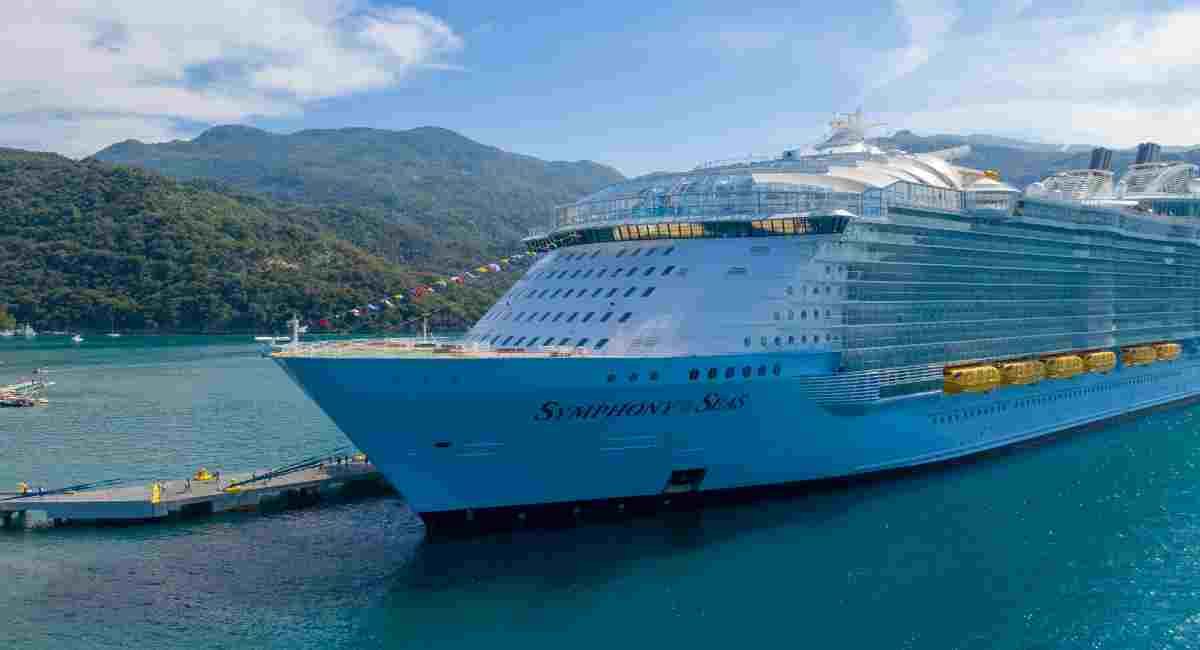
In the world of cruising, flexibility is key. Recently, a major cruise line had to change its itinerary in response to an urgent medical situation aboard. Such abrupt alterations showcase the unpredictable nature of life at sea, where the health and safety of passengers take precedence over schedules.
Unexpected Diversions
The sudden diversion of a cruise ship to a different port to disembark a sick passenger highlights the potential for both adventure and disruption on the open waters. It serves as a stark reminder of the delicate balance between leisure and responsibility at sea. For passengers, such events can lead to unexpected experiences an unscheduled port stop might bring new sights and local flavors but can also disrupt the planned itinerary, causing heartache for those who had their hearts set on specific destinations. Beyond the immediate impacts on vacationers, these diversions often lead to logistical challenges for cruise lines. There’s the pressure of coordinating new shore activities, managing timelines, and ensuring that those who need medical assistance receive it promptly. Such operational adjustments serve as a crucial testament to how companies respond to unforeseen circumstances, prioritizing passenger welfare over fixed schedules.
New Vistas for the Industry
On a broader horizon, the cruise industry continues to adapt and expand. A major cruise line has recently established a significant new headquarters in a bustling maritime city, a clear indication of its commitment to strengthening its presence in the North American market. This new facility, designed to accommodate the growing demands of cruise operations, highlights the sector’s recovery and ambitions following recent challenges. This move not only aims to enhance operational efficiency but also emphasizes the importance of a robust infrastructure to support an ever-evolving travel landscape. Strategically located near a major cruise port, the headquarters positions the company to navigate the complexities of guest services and logistics more adeptly, all while integrating innovations that cater to modern travelers.
Rethinking Travel Prep
As cruising evolves, so too do the regulations that govern it. Recently, a leading cruise line updated its air travel policies, mandating that guests arrive at their cruise departure points at least a day in advance. This shift serves multiple purposes: it allows for better preparation in case of delays and enhances the experience by reducing travel-related stress before boarding. Though such rules might ruffle feathers among spontaneous travelers, they reflect a growing emphasis on ensuring that guests can fully enjoy their time onboard. Arriving early provides a buffer that can mitigate travel disruptions, ensuring everyone embarks not just on a ship, but on a smoother journey. Change is part of the essence of cruising. Whether it’s unexpected diversions due to health emergencies or new operational strategies designed to accommodate travelers better, the sea remains an unpredictable yet captivating frontier for adventure seekers. The industry’s ability to adapt not only influences passenger experiences but also shapes the broader landscape of leisure travel. As the tides shift, cruise enthusiasts can expect both challenges and rewards in equal measure.